
Views: 0 Author: Site Editor Publish Time: 2024-11-27 Origin: Site
Proper maintenance of automatic pipe bending machine equipment is crucial to ensure its efficient operation and prolong its service life. Here are some essential maintenance methods:
Hydraulic System: The hydraulic system plays a vital role in the operation of many types of pipe bending machines, such as hydraulic and CNC pipe bending machines. Regularly clean the hydraulic oil tank, filters, and pipelines. Over time, impurities and debris can accumulate in the hydraulic oil, which may clog the filters and affect the normal operation of valves and other components. Replace the hydraulic oil at recommended intervals to maintain its good quality and ensure smooth power transmission through the hydraulic circuits.
Clamping Devices and Jaws: Devices like clamping jaws that hold the pipes during the bending process also need regular cleaning. Residual metal shavings, dirt, or grease can accumulate on them, which might cause inaccurate clamping and affect the bending accuracy. Use appropriate cleaning agents and tools to remove these contaminants carefully.
Moving Parts: Check the moving parts of the machine regularly, including the bending arm, rollers, and feed mechanisms. Ensure that there is no excessive wear, looseness, or misalignment. Lubricate these parts with suitable lubricants according to the manufacturer's instructions to reduce friction and wear, enabling smooth movement during the bending process.
Guiding Systems: The guiding systems that direct the pipe during bending should be inspected for any signs of damage or wear. If the guides are not in proper condition, it can lead to the pipe deviating from the intended bending path, resulting in inaccurate bends. Tighten any loose bolts or replace damaged guide components promptly.
Wiring and Connectors: Inspect the electrical wiring and connectors of the automatic pipe bending machine. Look for any signs of fraying, loose connections, or corrosion. Damaged wiring or poor connections can cause electrical malfunctions, affecting the operation of motors, control systems, and other electrical components. Repair or replace any faulty wiring or connectors immediately.
Control Panel: Clean the control panel regularly to prevent dust and debris from accumulating on it. Check the functionality of buttons, switches, and displays on the control panel. Ensure that all the control functions are working properly, and any error messages are addressed promptly.
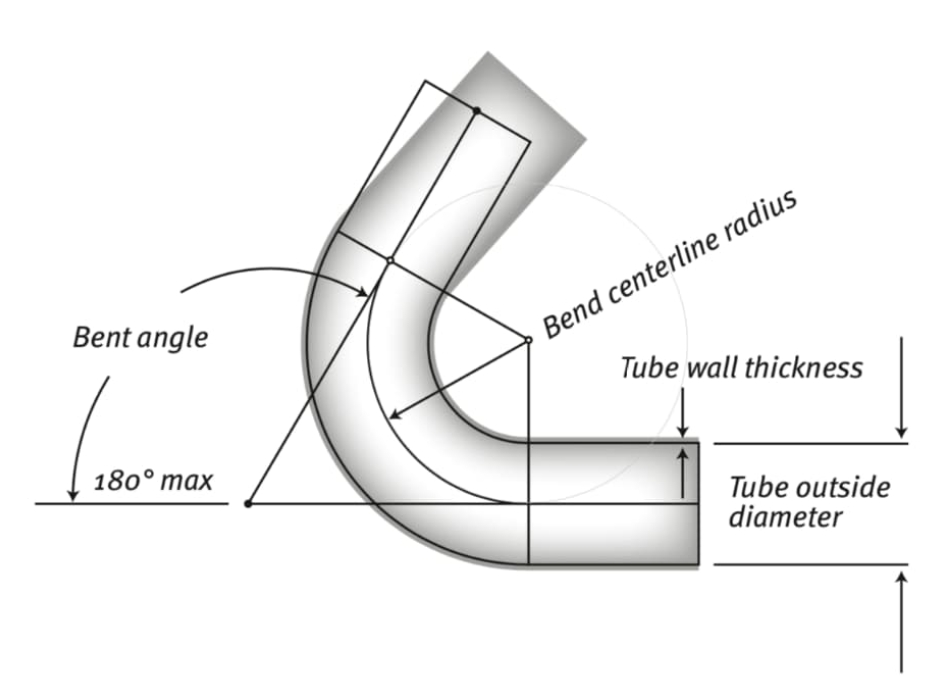
Bending Angle Calibration: Periodically calibrate the bending angle of the machine to ensure accuracy. Use precision measuring tools to check if the actual bending angle matches the set value. If there is any deviation, adjust the machine settings accordingly. This is especially important as inaccurate bending angles can lead to defective pipe products.
Alignment of Components: Check the alignment of different components within the machine, such as the relationship between the bending die and the clamping device. Proper alignment ensures that the pipe is bent evenly and accurately. If any misalignment is detected, make the necessary adjustments to realign the components.
Proper Storage: When the machine is not in use for an extended period, store it in a clean, dry, and well-ventilated area. Protect it from moisture, dust, and extreme temperatures, as these environmental factors can cause corrosion and damage to the machine's components.
Working Environment: Keep the working environment around the machine clean and free from excessive debris. A cluttered workspace can increase the risk of accidents and also make it more difficult to perform regular maintenance tasks.
